
Hire forklift operators
A forklift operator who knows the trucks and the building keeps trailers turning and racking stocked. One who doesn't can damage product, racking or a coworker. Optihire Staffing recruits forklift operators for warehouses, distribution centers, manufacturers and yards across the United States, and we ask detailed questions about equipment and safety before a candidate reaches you.
Contingency Recruitment
You pay a recruitment fee only when a successful candidate is hired, subject to agreed terms.
What a forklift operator does
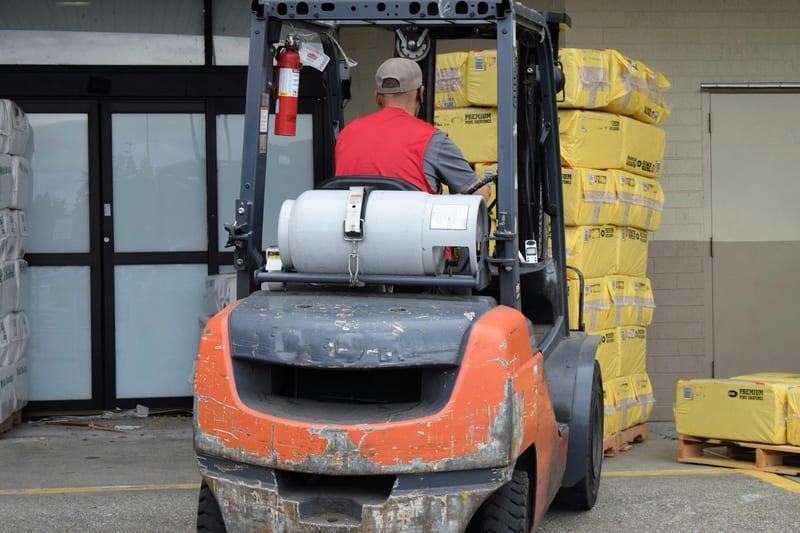
Forklift operators load and unload trucks, move pallets between receiving, storage and shipping, and put away or pull stock from racking. Many also scan pallets, check loads against paperwork and inspect their truck before each shift.
The equipment varies a lot. A sit-down counterbalance truck on a dock is a different job from a stand-up reach truck working high racking in narrow aisles, or an order picker that lifts the operator along with the load. Some sites add clamp attachments, rough-terrain trucks outdoors or tight cold-storage aisles.
What to screen for
The skills, credentials and habits worth checking before you make an offer.
Which trucks, and how recently
Ask for each type of truck they have run, where and when. Someone with years on a sit-down may still need time to get comfortable on a reach truck at height.
Your training duty under OSHA
OSHA's powered industrial truck standard puts training and evaluation on the employer. A card from a past job does not carry over, so plan to train and evaluate every new operator on your own trucks and site. Check the current standard for the details.
Age rules
Federal child labor rules generally bar workers under 18 from operating forklifts in nonfarm jobs. Confirm the rules that apply to your operation.
Safety habits
Ask how they handle a damaged pallet, a blocked aisle or a pedestrian in their path, and what they check before a shift. Specific answers point to real habits.
Accuracy with stock
Put-away errors turn into lost inventory. Ask how they confirmed locations and what they did when the system and the rack did not match.
How we recruit forklift operators
We start with the trucks, attachments, rack heights and shifts in your building, plus the pay range and overtime pattern. Your recruiter uses that brief to source operators in your area and runs a phone screen built around equipment, recent experience and safety. Every shortlisted candidate comes with a note on which trucks they have run and why they suit your site.
We tell candidates to expect your own training and evaluation during onboarding, so nobody is surprised by it. For the hiring steps themselves, read how to hire warehouse workers fast. You can also see all the logistics and warehousing roles we recruit for and compare our recruitment services.
Interview questions to ask
Open questions that make candidates describe real work. Follow up on anything vague.
Which types of forklift have you operated, and which one did you use most recently?
What do you check before a shift, and what would make you take a truck out of service?
What is the highest racking you have worked, and how narrow were the aisles?
Tell me about a near miss you saw or were part of. What happened next?
How do you confirm you have put a pallet in the right location?
Hiring forklift operators?
Send us the role, the shift and the pay range. You pay a recruitment fee only when a successful candidate is hired, subject to agreed terms.
Related reading
- IndustryLogistics & Warehousing recruitment
- Hiring guideHow to Hire Warehouse Workers Fast and Keep Them
- ServicesOur Recruitment Services