
Logistics & Warehousing
How to Hire Warehouse Workers Fast and Keep Them
Speed in warehouse hiring comes from cutting the gaps between steps. Here is how to post, screen, interview and start new associates within days instead of weeks.
7 min read
No fee until you make a hire · 100% contingency
How it worksWarehouse hiring moves fast and turns over fast. A candidate who applies on Monday may have two other offers by Wednesday, and a new hire nobody told about the cold dock or the mandatory overtime may not come back after the first week. We recruit for distribution centers, third-party logistics providers, fulfillment operations and local delivery businesses.
Speed matters here, and so does fit. We call applicants back quickly, describe the physical side of the job plainly and confirm availability for your exact shift. If you want to run the process yourself, our guide on how to hire warehouse workers lays out the steps. If you would rather hand it over, see our recruitment services.
Contingency Recruitment
You pay a recruitment fee only when a successful candidate is hired, subject to agreed terms.
Common logistics & warehousing roles we fill, and what we check before a candidate reaches you.
Receive, stock and ship goods. We ask about lifting, standing for a full shift and the handheld scanners or warehouse systems they have used.
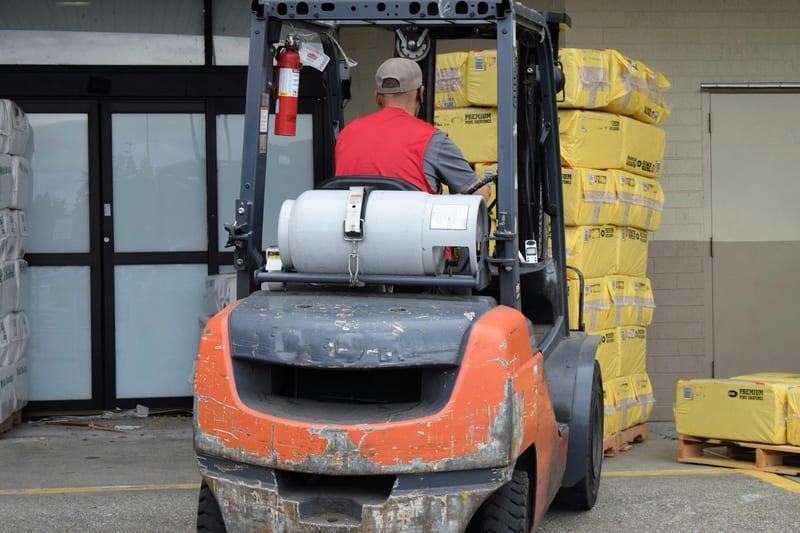
Move pallets, load trucks and work at height. We ask which trucks they have run (sit-down, stand-up reach, order picker) and when they were last evaluated.
Fill orders accurately and on time. We ask about the pick rates they worked to and how they kept their error count down.
Plan routes, assign drivers and fix problems as they happen. We ask which dispatch or TMS software they know and how they handled a missed delivery window.
Run cycle counts and chase down stock discrepancies. We look for patience with detail and hands-on time in a WMS.
Run a shift and keep the team on rate. We ask how they coached a slow picker and what they did about a no-call, no-show.
Hiring guides with what to screen for and the interview questions to ask. All roles
Hourly warehouse candidates often apply to several jobs at once. The employer who calls back first and books an interview within a day or two tends to get them.
Candidates often say they are forklift certified from a past job. Under OSHA rules, the employer must train and evaluate each operator on its own trucks and site conditions, so a past card is background only. Check the current OSHA standard for details.
Warehouse work is physical. People who were not told about the temperature, the pace or the overtime are the most likely to leave in the first week.
Fees and terms are agreed in writing before any work starts. See all our recruitment services.
We contact applicants quickly and book phone screens, so good candidates hear from someone before they accept another job.
With high-volume recruitment, one brief covers every opening and we keep a pipeline running for your next wave of hires. Our seasonal hiring guide explains how to plan the timing.
We tell candidates about the shift, the pay, the physical demands and the building before they interview. People who still want the job after hearing all that are more likely to show up and stay. Our post on how to reduce early turnover has more on this.
Logistics & Warehousing
Speed in warehouse hiring comes from cutting the gaps between steps. Here is how to post, screen, interview and start new associates within days instead of weeks.
7 min read

Customer Service
A seasonal peak is easier to staff when you work backward from the first busy day. This plan covers timing, headcount, group interviews and batch onboarding.
6 min read
Manufacturing & Production
Many early quits trace back to surprises about the job, the pay or the first week. These steps help new hourly hires make it past the first month.
7 min read