
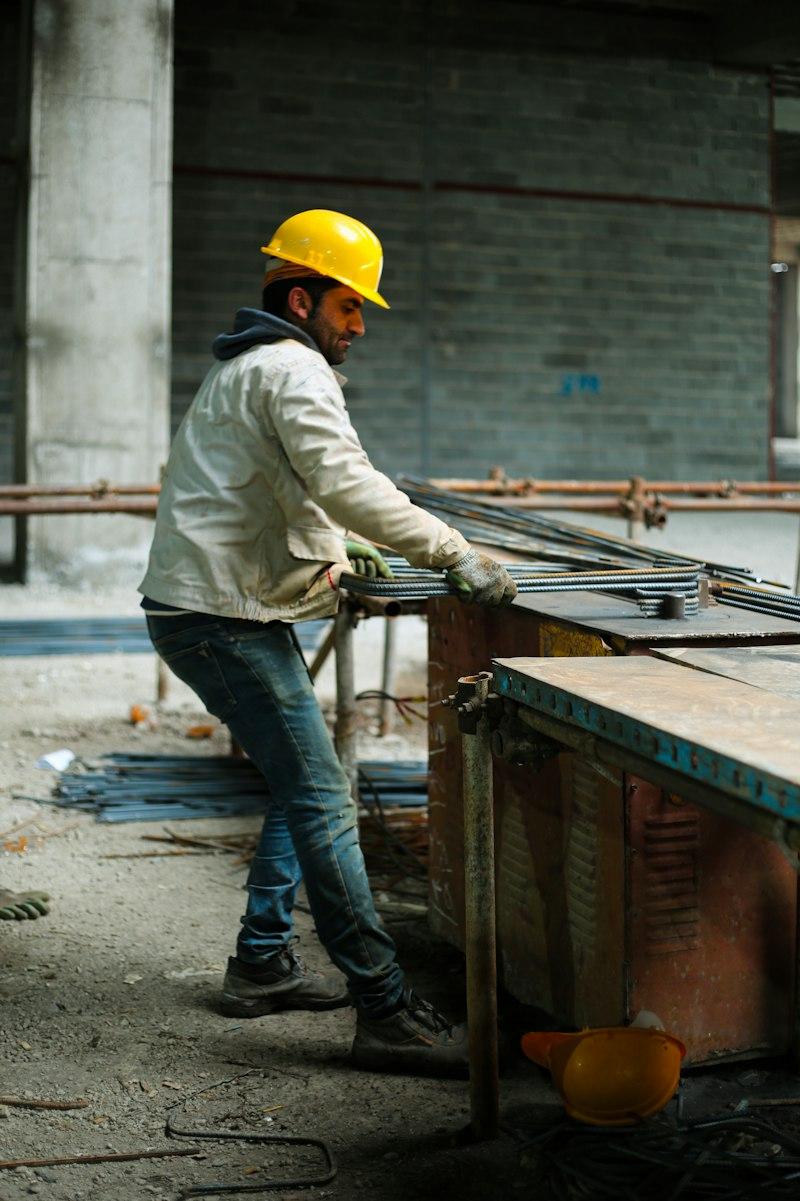
Construction & Skilled Trades
Screening Skilled Trades Candidates: A Practical Checklist
How to check licenses, test real skills and ask the right safety questions before you hire an electrician, plumber, HVAC tech or carpenter.
7 min read
No fee until you make a hire · 100% contingency
How it worksContractors lose bids, push back start dates and run crews thin when they can't find qualified tradespeople. The good ones are usually already working, and they rarely answer a job board ad. We recruit for general contractors, specialty subcontractors and residential service companies that need trades staff and laborers.
A trades resume can't tell you whether someone can wire a panel or frame a wall that stays plumb. We check licenses through state lookups where they apply, ask detailed questions about past jobs and point you to the supervisor references worth calling. Our guide to screening skilled trades candidates shows the questions we use, and our services page explains how we work.
Contingency Recruitment
You pay a recruitment fee only when a successful candidate is hired, subject to agreed terms.
Common construction & skilled trades roles we fill, and what we check before a candidate reaches you.
Install and repair wiring, panels and fixtures. We confirm the license level they hold (apprentice, journeyman or master) in the state where they will work.
Frame, finish or install, depending on the specialty. We ask which kind of carpentry they do, which tools they own and whether they read plans.
Install, service and repair heating and cooling systems. We ask about EPA Section 608 certification for refrigerant work and the equipment brands they know.
Support crews with site prep, cleanup and moving materials. We ask about reliable transportation, early start times and any site safety training.
Install and repair water, drain and gas lines. We check the state or local license and ask whether their background is new construction or service work.
Run a crew and keep the job on schedule. We ask how they handled a failed inspection and a subcontractor who didn't show.
Hiring guides with what to screen for and the interview questions to ask. All roles
Electrical, plumbing and HVAC licensing is set by states and sometimes by cities or counties, and a license from one state may not carry over. Check your state licensing board for what each role needs before you hire.
Many trade roles expect people to bring their own hand tools and get themselves to changing job sites. Without a reliable vehicle, even a strong candidate can't keep up with a job that moves around a metro area.
One unsafe hire puts the whole crew at risk. Ask about site safety training, such as OSHA 10 or 30-hour courses. Whether those courses are required depends on your state and the project.
Fees and terms are agreed in writing before any work starts. See all our recruitment services.
Our candidate screening and shortlisting checks licenses, certifications and the kind of work behind each resume, then gives you a ranked shortlist with notes on each candidate's strengths and gaps.
Skilled tradespeople are usually employed. We approach them directly and discreetly, which matters when you are replacing a foreman who doesn't know yet.
Won a large job? Give us one brief for every trade and start date, and we build the crew in order with regular progress updates. Tell us about the project through the hiring requirements form.
Construction & Skilled Trades
How to check licenses, test real skills and ask the right safety questions before you hire an electrician, plumber, HVAC tech or carpenter.
7 min read

Sales & Business Development
Contingency recruitment means you pay the agency only when you hire a candidate they introduced. Here is how the process, the fee and the terms usually work.
7 min read
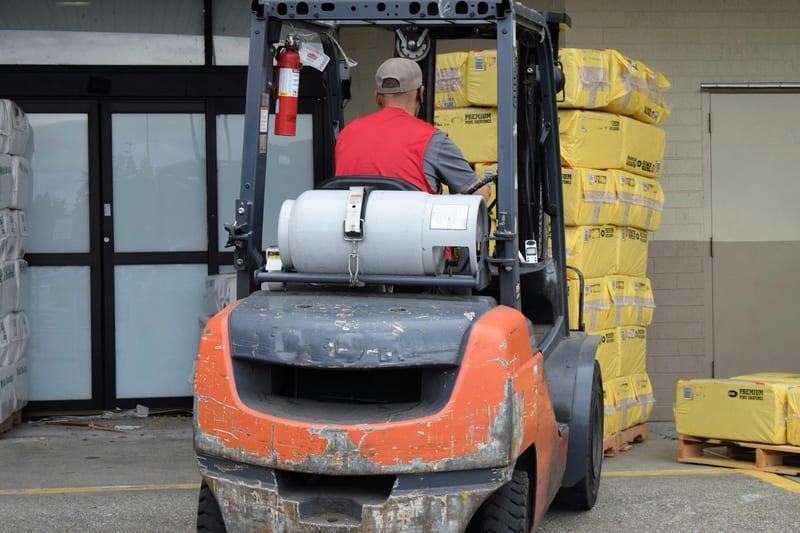
Logistics & Warehousing
Speed in warehouse hiring comes from cutting the gaps between steps. Here is how to post, screen, interview and start new associates within days instead of weeks.
7 min read