
Hire line cooks
Line cooks decide whether a busy service runs smoothly. When the line is short, tickets back up, the chef ends up on a station and guests notice. Optihire Staffing recruits line cooks for restaurants, hotels, caterers and event venues across the United States, and we screen for station experience and reliability before anyone comes in for a tryout.
Contingency Recruitment
You pay a recruitment fee only when a successful candidate is hired, subject to agreed terms.
What a line cook does
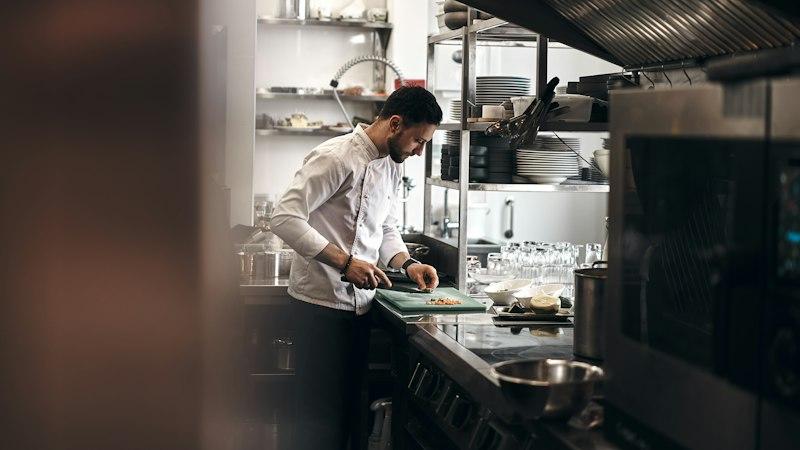
A line cook runs a station during service, such as grill, sauté, fry or garde manger, and cooks each dish to the restaurant's recipes and plating standards. Before service they prep their station. Afterward they break it down, label and store food and clean.
The job means heat, speed and long hours on their feet, often on evenings, weekends and holidays. Cooks also follow food safety rules on holding temperatures, cross-contact and allergens, and they have to keep to them in the middle of a rush.
What to screen for
The skills, credentials and habits worth checking before you make an offer.
Stations and volume
Ask which stations they have worked, how busy the kitchens were and what kind of menu they cooked. A cook from a high-volume diner and one from a tasting menu bring different strengths.
Food handler rules
Many states and localities require a food handler card, and some require it before work starts. Programs such as ServSafe are common, but the requirement depends on where you operate, so check with your local health department.
Allergen habits
Ask how they prevent cross-contact when a ticket flags an allergy. The answer shows whether they have real habits or only know the rules.
Availability
Confirm the days and shifts they can work, including weekends and holidays, before you book a tryout.
Tryout shifts
Many kitchens run a stage or working interview. When the person does real work, wage and hour rules usually treat that time as paid, so check the federal and state rules that apply to you.
How we recruit line cooks
Tell us the cuisine, the stations, the volume, the schedule and the pay. We source cooks in your area, ask kitchen questions on the phone screen and confirm availability by day and shift. You get a shortlist with a short note on each cook's stations, experience and why they suit your kitchen.
Hospitality candidates often decide fast, so a clear posting helps. Our guide to writing a frontline job description covers what to include. Opening a new location or heading into a busy season? Read our seasonal hiring plan, see the other hospitality and food services roles we fill and compare our recruitment services.
Interview questions to ask
Open questions that make candidates describe real work. Follow up on anything vague.
Which stations have you worked, and which one are you strongest on?
Describe the busiest service you have worked. What did you do when tickets backed up?
How do you handle a ticket marked with a food allergy?
How do you set up your station before service?
Which days and shifts can you work, including weekends and holidays?
Hiring line cooks?
Send us the role, the shift and the pay range. You pay a recruitment fee only when a successful candidate is hired, subject to agreed terms.