
Hire production operators
Production operators run the stations that turn raw material into finished product. A line with an empty station runs slower or not at all, and supervisors end up covering it with overtime. Optihire Staffing recruits production operators and production workers for manufacturers across the United States, from single-shift job shops to plants that run around the clock.
Contingency Recruitment
You pay a recruitment fee only when a successful candidate is hired, subject to agreed terms.
What a production operator does
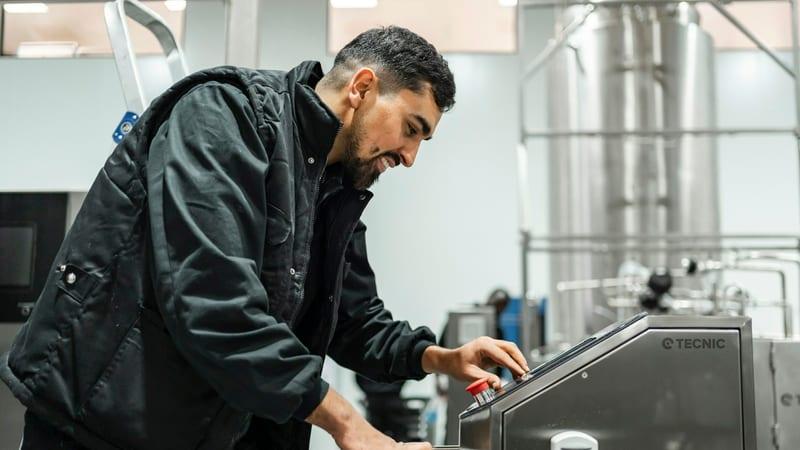
Operators feed, run and watch equipment on a production line, follow work instructions and check their output against quality standards. Depending on the plant, that can mean packaging food, assembling components, running a filling line, or loading and unloading parts from automated machines.
Most roles also include basic recordkeeping, cleaning and changeover tasks, and stopping the line when something goes wrong. The work usually means standing for the whole shift, repetitive motion and strict safety and hygiene rules. Many plants rotate shifts or run nights and weekends.
What to screen for
The skills, credentials and habits worth checking before you make an offer.
Shift fit
Ask directly about the shift and the rotation, and about childcare, transportation and sleep for night work. These decide whether a hire lasts more often than past job titles do.
Following procedures
Ask how they used work instructions or standard operating procedures, and what they did when a step didn't make sense. Plants depend on people who follow the process and speak up.
Safety habits
Ask about lockout/tagout, PPE and machine guarding in past jobs. Your own OSHA-required training and site rules still apply from the first day.
Checking their own work
Ask how they checked their output and what they did with a part or product that failed. Experience with visual inspection or basic measuring tools is a plus.
Plant conditions
Food, electronics and some other plants have hygiene, documentation or clean-room rules. Ask whether they have worked under similar conditions.
How we recruit production operators
Give us the line, the shift, the pay range and a plain description of the conditions, such as heat, noise, standing and overtime. We source candidates in your area, describe the work honestly on the first call and screen for shift fit and safety habits. Your shortlist comes with a short note on why each person fits.
Early quits on a production floor often come from surprises about the job, and our article on how to reduce early turnover covers how to avoid them. Ramping up a new line? High-volume recruitment covers every opening from one brief. Our manufacturing and production page lists the other roles we fill.
Interview questions to ask
Open questions that make candidates describe real work. Follow up on anything vague.
Describe the line you worked on most recently. What did you make, and what was your station?
Which shifts have you worked, and how did you manage a rotating or night schedule?
Tell me about a time you stopped work because something wasn't right. What happened?
How did you check the quality of your own work?
What PPE did you wear in your last job, and which safety rules did you follow every day?
Hiring production operators?
Send us the role, the shift and the pay range. You pay a recruitment fee only when a successful candidate is hired, subject to agreed terms.
Related reading
- IndustryManufacturing & Production recruitment
- Hiring guideHow to Reduce Early Turnover Among Hourly Employees
- Hiring guideHow Contingency Recruitment Works for Employers
- ServicesOur Recruitment Services